
The Unseen Architects: Why Traditional Leadership is the Backbone of African Conservation
By John Kogada, International Fund for Animal Welfare (IFAW)
In the modern conservation narrative, we often focus on the "visible": satellite tracking collars, anti-poaching units in tactical gear, and high-level international treaties. But in the vast landscapes of East and Southern Africa, from the Amboseli ecosystem in Kenya to the trans frontier corridors of Malawi and Zambia, the most effective conservation is often "invisible." It is managed through a whisper of ancestral wisdom, the weight of a clan elder’s word, and the enduring power of socio-cultural norms.
At IFAW we have recognized a critical truth: you cannot protect a landscape if you ignore the "operating system" of the people living within it. Through the Conservation Network of Traditional Leaders in Africa, conservation is being reimagined. Not as something imposed from the outside, but as a revival of the role of traditional custodians.
The Power of the "Cultural Lens"
Conservation is rarely just about ecology; it is about values. For centuries, African communities have managed their resources through a sophisticated system of taboos, totems, and sacred designations. For example, among pastoralist communities such as the Maasai in Kenya, seasonal grazing rules and sacred salt-licks limited overuse of rangelands and wildlife corridors. In Malawi, sacred groves (nkhalango zopatulika) were protected from clearance and extraction, serving both spiritual functions and ecological roles as biodiversity refugia in heavily cultivated landscapes. In Botswana, traditional governance under the kgotla system reinforced communal stewardship of wildlife and rangelands while in Zimbabwe totemic prohibitions among the Shona and Ndebele limited hunting pressure on certain species, while community enforcement mechanisms ensured compliance. These cultural values that governed natural resource use weren't just "rules", they were a form of one’s personal identity.
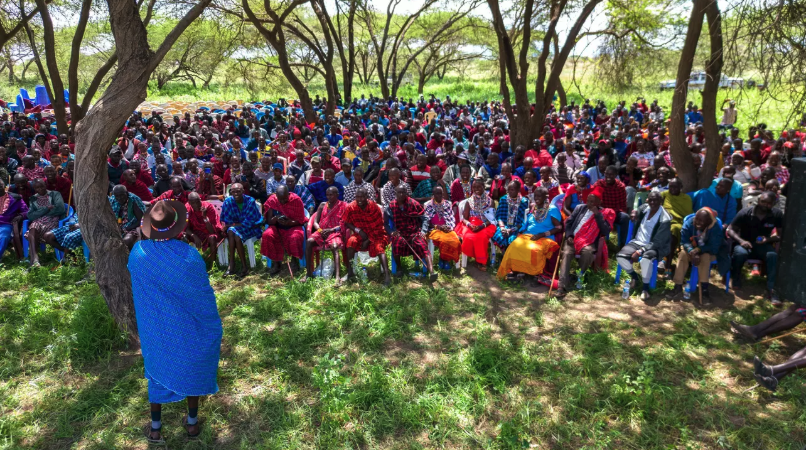
Photo: Guyo Adhi / © IFAW
Why Leaders and Elders Are the Real “System Administrators” of Conservation
If cultural norms are the rules that shape how people live with nature, then traditional leaders like chiefs, clan elders, and respected community figures are the system administrators who ensure those rules function. Modern conservation often treats them as stakeholders to be consulted. In reality, they are the operating system itself.
Many conservation initiatives fail not because of weak science, but because they lack social legitimacy. Projects arrive technically sound and well-funded, yet falter because they do not secure what communities recognize as a social license to operate. When we work alongside figures like Senior Chief Felix Lukwa in Malawi or Maasai elders in the Kitenden Corridor, we are not ticking boxes for participation. we are seeking consent with moral authority. A chief’s endorsement is not procedural; it is cultural. When elders speak, communities listen, not out of compliance, but out of respect forged over generations. That legitimacy transforms conservation from an external project into a shared obligation.
Traditional leaders are also custodians of deep ecological knowledge. What we call Traditional Ecological Knowledge, communities simply call knowing their land. Elders read landscapes like maps through rainfall patterns, winds, animal behaviour, and seasonal change. They anticipate elephant movements, recognize early signs of drought, and know which species can be used, protected, or left untouched. When sidelined, conservation loses nuance. When integrated with tools like GIS and satellite data, it gains accuracy and context.
Their role is most critical during conflict. When crops are destroyed or livestock lost, policy offers little comfort. Mediation does. Respected leaders can calm anger, prevent retaliation, and reframe coexistence ensuring conservation delivers real benefits to those who bear its costs. Ignoring traditional leadership is not just disrespectful; it is inefficient. These are not relics of the past. They are adaptive institutions. Conservation that seeks sustainability and justice must acknowledge elders for what they are: indispensable system administrators of coexistence.
Moving Forward: Conservation with a "Human Face"
The future of African conservation lies in "Conservation with a Human Face" where traditional leaders are not just "stakeholders" to be consulted, but partners to be empowered. To ignore the socio-cultural fabric of a landscape is to build a house on sand. By placing clan elders and community leaders at the forefront of the planning process as we do with our Room to Roam initiative, we ensure that conservation is not a foreign export, but a local legacy.
In the end, the survival of Africa’s iconic wildlife depends less on the technology but more on the values of the people who have shared their backyard with lions and elephants since time immemorial. It is time we gave the custodians of culture the seat at the table they have earned over centuries.